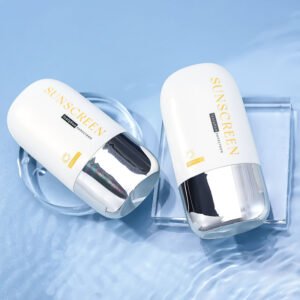
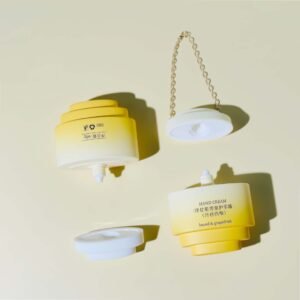
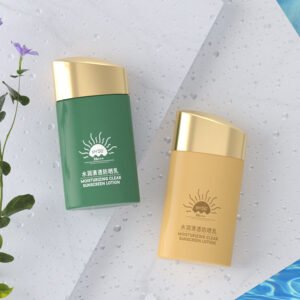
The duration for which a bottle of sunscreen lasts depends primarily on its volume, the amount used per application, and the frequency of use. A smaller bottle used generously on a daily basis may be depleted faster than a larger bottle used only occasionally. To estimate how long a bottle will last, you can divide the total net content by the average amount used each day.
For example, if a bottle contains 50 ml of sunscreen and you use an average of 2 ml per day, it should theoretically last for about 25 days. This is merely an illustrative calculation; actual consumption will vary based on the areas of the body where it is applied, frequency of use, and individual habits. Consumers should always follow the instructions on the product label and relevant sun-protection guidelines, including reapplying as needed.
It is important to distinguish between how quickly a bottle is consumed and how long the product remains effective after being opened. The former relates to the rate of consumption, while the latter concerns the product’s expiration date, storage conditions, and stability. In the United States, sunscreens are regulated as over-the-counter (OTC) drugs. The FDA requires an expiration date on these products unless stability testing proves they remain stable for at least three years. Consumers should adhere to the product label and avoid using sunscreen that has passed its expiration date.
From the perspective of a packaging manufacturer, factors such as bottle capacity, dispensing mechanism, closure design, and material selection influence ease of use, dosage control, and the environmental conditions to which the formula is exposed. As an upstream supplier, we produce empty sunscreen bottle packaging and related cosmetic containers—we do not manufacture the sunscreen itself. The choice of packaging must align with the brand’s specific formula, filling processes, and stability requirements.
What factors affect how quickly a bottle of sunscreen is consumed?
Several factors influence the rate at which sunscreen is consumed during daily use.
Packaging Capacity: If the daily amount used is similar, a 30 ml travel-sized bottle will generally be used up faster than a 100 ml bottle. However, the total volume alone does not entirely determine how many times a product can actually be used.
Amount per application: The quantity of sunscreen required varies depending on the surface area being covered—for instance, applying it only to the face versus applying it to the face, neck, arms, and legs. The actual amount needed is also influenced by the specific skin area to be covered and the product’s usage instructions.
Frequency of use: Individuals spending extended periods outdoors may need to reapply sunscreen as directed on the product label—especially after swimming, sweating, or towel-drying (where applicable). Naturally, a higher frequency of use leads to faster consumption of the product.
Dispensing performance: Mechanisms such as tube openings, squeeze bottles, lotion pumps, and airless pumps function differently. The actual amount dispensed depends on the packaging design, the product formulation, and how the user operates the dispenser. One cannot assume that a specific type of pump will always deliver a fixed, consistent amount of product per use.
For packaging development, these factors help brands select the appropriate volume and dispensing mechanism based on a product’s intended positioning—such as travel-sized facial sunscreens, daily-use lotion-style sunscreens, or large-format body sunscreens designed for family use.
How can the duration of use for a bottle of sunscreen be estimated?
A simple calculation formula can help brands and packaging purchasers understand the relationship between packaging capacity and the expected consumption period:
Estimated days of use = Net product content ÷ Average daily usage amount
The example below is provided solely to demonstrate the calculation method and does not constitute a recommendation regarding an individual’s sunscreen usage.
| Net content per package | Assumed average daily usage | Estimated duration of use |
| 30ml | 1.5 ml daily | About 20 days |
| 50ml | 2 ml daily | About 25 days |
| 100ml | 4 ml daily | About 25 days |
These examples illustrate that larger-sized packaging does not necessarily guarantee a longer duration of use, as daily consumption may increase in proportion to the package capacity. While brands may employ reasonable assumptions regarding consumer usage patterns when comparing different sizes, they should avoid promoting a specific number of days of use as a universal guarantee for all consumers.
In packaging development projects, such calculations can assist brands in determining bottle capacity, label information, dispensing mechanisms, and product positioning. They also help in evaluating whether it is necessary to develop multiple size options for a single product line.
Does an expired sunscreen mean the bottle is empty?
No. A product’s usage cycle and its expiration date are two distinct concepts.
Even if there is still sunscreen left in the bottle, it does not mean the product remains safe or effective to use past its expiration date. Consumers should follow the expiration dates and storage instructions provided on the label. If a product has expired, shows noticeable changes in color or texture, or if its storage history is unknown, consumers should consult the product’s usage guidelines and stop relying on it for sun protection.
Storage conditions are equally important. The FDA advises against exposing sunscreen packaging to excessive heat or direct sunlight for extended periods, as these conditions can compromise the product. It is not recommended to leave sunscreen in a hot car or in direct sunlight for long durations.
While packaging plays a role in protecting the product, it cannot, on its own, determine a sunscreen’s shelf life. Manufacturers must conduct thorough stability and compatibility assessments, taking into account both the specific formulation and the packaging system. Packaging suppliers can provide information regarding materials and components to assist in these evaluations.
This is particularly relevant for brands developing custom sunscreen bottles: selecting a specific material or dispensing system does not guarantee that the sunscreen filled inside will have a longer shelf life.
How does packaging design affect daily use?
Although packaging alone does not dictate a sunscreen’s expiration date, it significantly influences the user experience and how the product is dispensed.
Squeeze tubes: Ideal for portable packaging and applications where the user needs to control the amount dispensed. The flexibility of the tube, the design of the opening and cap, and the overall dimensions should be tailored to the specific formulation and intended use case. Design considerations should also include ease of handling and the reliability of the seal.
Pump bottles: Pump dispensers offer a convenient way to dispense lotion-based or everyday-use sunscreens. Brands should evaluate factors such as the target dosage per pump, the compatibility of the pump mechanism with the formulation, its priming performance, and whether any product remains trapped inside that is difficult to access.
Airless Pump Bottles: Airless systems utilize a specific dispensing mechanism to push the product toward the outlet, rather than relying on the manual scooping or pouring methods used with traditional wide-mouth containers. Performance varies based on the specific design and the product formulation. It should not be assumed that an airless pump bottle automatically renders sunscreen sterile, guarantees a longer shelf life, or eliminates the need for stability testing.
When selecting airless pump bottle packaging, brands should evaluate whether the design is suitable for the intended formulation, whether the pump mechanism provides consistent and reliable dispensing, and whether the packaging is compatible with the planned filling process.
What should brands consider when selecting packaging for sunscreen?
For sunscreen brands, choosing packaging involves more than just selecting a container size that looks appropriate on the shelf. The packaging must align with the product formulation, manufacturing processes, target consumer base, and market requirements.
Before finalizing a design, consider the following factors:
- Capacity and Product Positioning: Determine whether the product is intended for facial care, travel, daily body protection, or family/home use.
- Material and Formulation Compatibility: Evaluate the entire packaging system using the actual product formulation—do not rely solely on the name of the material.
- Dispensing and Sealing: Assess the opening, cap/closure, pump dispensing performance, ease of use, and sealing integrity.
- Product Protection and Storage: Evaluate the packaging in relation to the stability requirements of the formulation and the storage instructions intended for the final product label.
- Decoration and Labeling: Ensure that the printed design, text clarity, and required information—including usage instructions and warnings—fit appropriately within the available space.
- Filling Line Compatibility: Verify that the packaging is compatible with the intended processes for filling, sealing, coding, and inspection.
- Samples and Validation: Before moving to large-scale production, obtain representative samples and conduct thorough evaluations regarding filling, compatibility, and stability.
An experienced sunscreen packaging manufacturer can assist brands in exploring available bottle types, materials, component configurations, and customization options. The brand owner of the finished product remains responsible for the formulation, the substantiation of product claims, the indication of shelf life, and compliance with applicable regulations.
Why is packaging capacity important for B2B buyers?
For importers, brand owners, and contract manufacturers, the choice of capacity affects more than just the consumer’s usage cycle. Different capacities may require distinct bottle dimensions, pump heads, caps, outer cartons, filling parameters, and production schedules.
If a brand plans to develop products in 30 ml, 50 ml, and 100 ml sizes, it is essential to determine whether these options can share components or if they require separate molds and distinct production workflows. Even if different packaging units appear similar, their pump heads, openings, and internal structures may vary.
Packaging suppliers can assist by comparing existing standard options with custom solutions, identifying differences between various sizes, and providing samples for evaluation. Buyers should also confirm minimum order quantities (MOQs), decoration requirements, lead times, and the specific product specifications that will serve as the reference for future reorders.
These details help brands build a packaging range that is both efficient to manufacture and aligned with the intended user experience.
Conclusion
The duration for which a bottle of sunscreen lasts depends primarily on its capacity and the amount used daily. This is distinct from the product’s shelf life, which is determined by the formulation, stability data, storage conditions, and regulatory requirements.
For brand owners and packaging procurement professionals, the key is to select a bottle or tube that suits the intended usage scenario, delivers the product effectively, and is compatible with both the formulation and the filling process. Capacity, material, closure type, and pump mechanism should all be evaluated as part of an integrated packaging system.
As a supplier of sunscreen bottle packaging, cosmetic tube packaging, and airless pump bottle packaging, we provide B2B clients with expert support in evaluating empty packaging solutions, helping them advance their product development and mass-production projects.